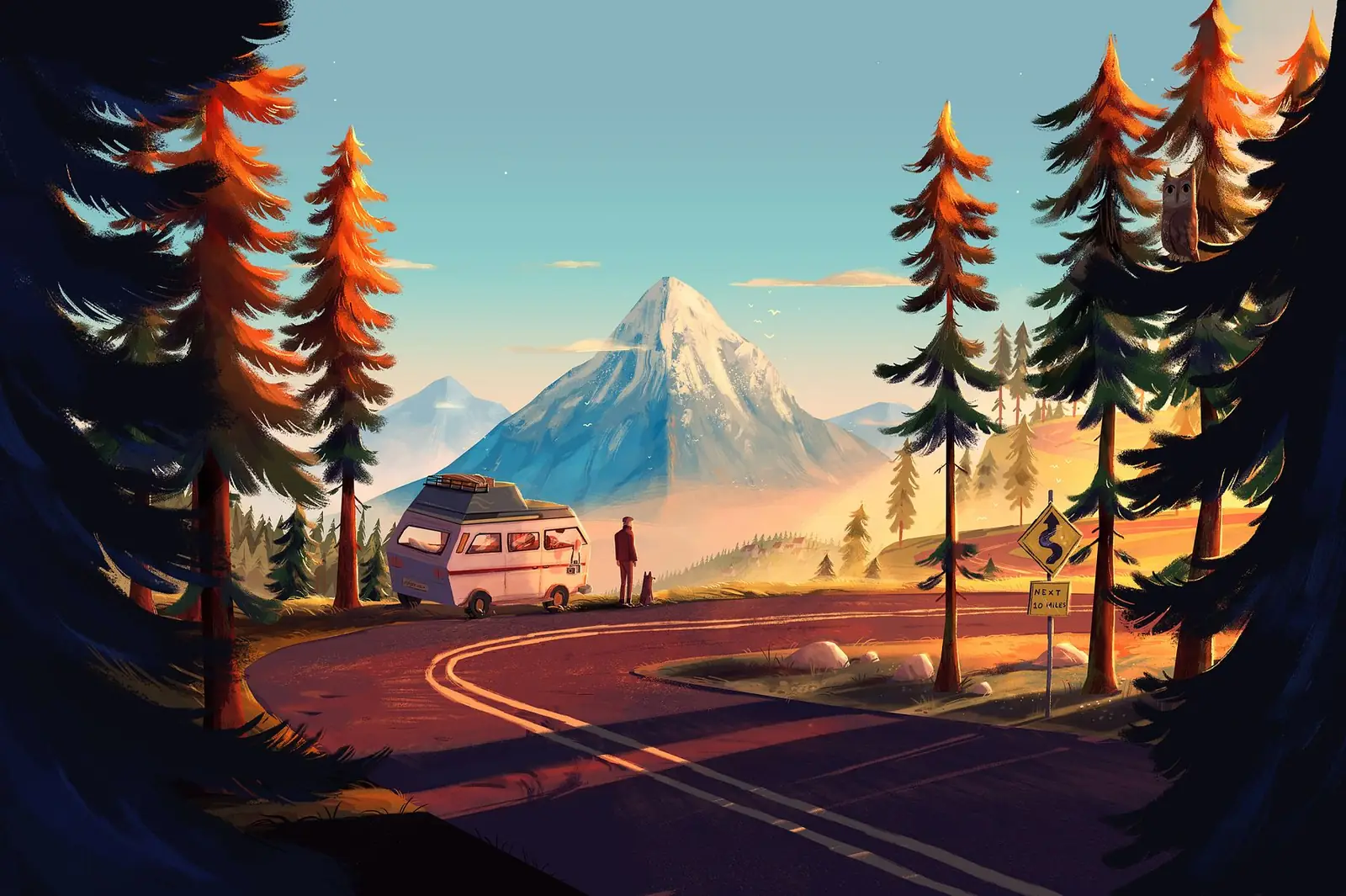
Forever Ago is a short narrative adventure. Reported full-story playthroughs fall roughly between two and five hours, with several clustering around four hours or a little longer. For planning a first playthrough, allowing three to five hours is more useful than expecting everyone to finish at the fastest reported pace.
That estimate covers the story, not a verified all-achievements run. There is not enough consistent evidence to give a reliable completionist time, and optional exploration or replay can extend your total. The game also moves deliberately, so a short overall length should not be mistaken for constantly fast traversal.
Treat the range as a planning tool
Different completed playthroughs report different times: one describes two to four hours, another three to five, and others approximately four, four and a half, or five. Those observations support the description of a compact game, but they do not establish a single stopwatch result for every player.
The spread is understandable in a story built around attention. You can follow the written objectives relatively directly, or spend longer examining objects, taking photographs, and looking for optional memories. Both approaches reach the story through the same road trip, while using its compact destinations differently.
A practical allowance of three to five hours gives the first run room for normal exploration without presenting the upper end as a hard limit. You may finish outside it if you play at an unusual pace, pause frequently, or repeat scenes. An estimate should help you schedule the game, not make you feel that your own time is incorrect.
The fastest end of the reported range is least useful if you already know you stop to inspect everything. Use the more generous allowance for a relaxed first run. Save a tighter estimate for occasions when you only need to know that the game is considerably shorter than a long campaign.
The story is divided into nine chapters
The journey spans nine chapters, including its opening and epilogue. The structure moves between different destinations and periods in Alfred's life. That gives you a sequence of natural story segments rather than one enormous uninterrupted location.
Do not divide the total time by nine and treat the result as a guaranteed chapter length. The scenes ask for different kinds of actions, and a stop with several tasks is not equivalent to a short transition or a closing domestic passage. The chapter count describes structure, not uniform duration.
For session planning, the useful point is that the game regularly changes location and returns to quieter journal moments. You can recognise progress through the journey without needing to watch a percentage counter. Completing a destination's tasks and album interaction gives you more context for stopping than simply ending when a fixed number of minutes has passed.
The chapter names and late-story destinations can reveal parts of the journey, so this page does not list the complete route. You do not need that spoiler-heavy itinerary to estimate your evening. The important distinction is between a small number of directed story sections and an open-ended game designed for ongoing play.
Photography changes how you spend the time
The instant camera is part of progression, but it also supports optional pictures. A prompted photograph may move a scene forward, while a personal picture records something you noticed. If you enjoy framing people, landscapes, and small details, expect to spend additional time beyond the minimum task path.
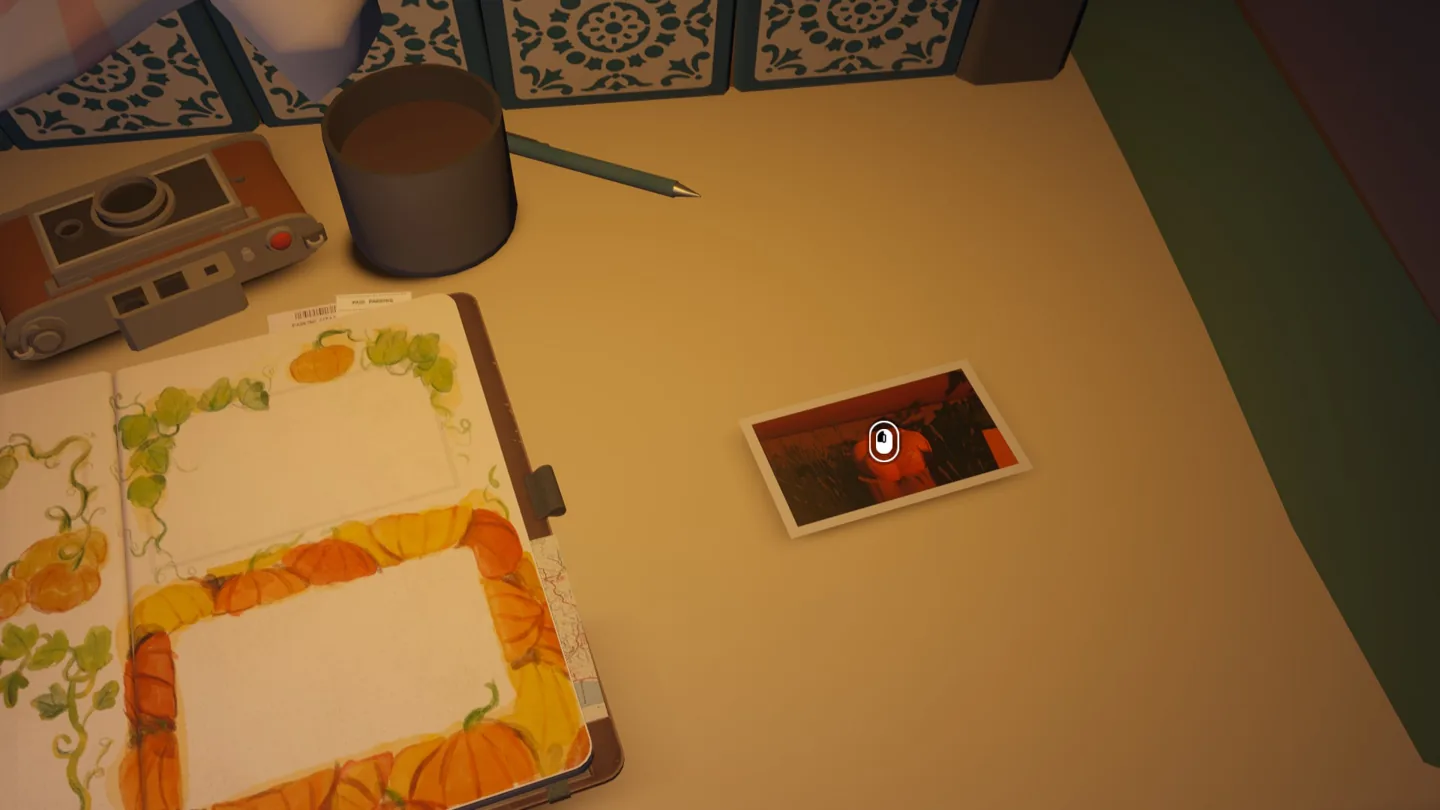
The journal later lets you select up to four pictures at an album moment. Comparing those images is another small pause. You can make the choice quickly or take time deciding what best represents the stop, and neither approach changes the game's basic story length into a fixed exact figure.
Avoid using an assumed film limit to calculate a photography time. The evidence is clearer about the journal's limited selection than about every scene's camera capacity. A simple plan is to take a few distinct pictures as you explore, then compare them when the game offers the album.
Photography is also integrated with memories. That means some camera time belongs to the story and some belongs to optional attention. A run that ignores every optional view will not spend its hours in the same way as a run that tries to preserve the whole trip in pictures.
Optional memories can extend a first visit
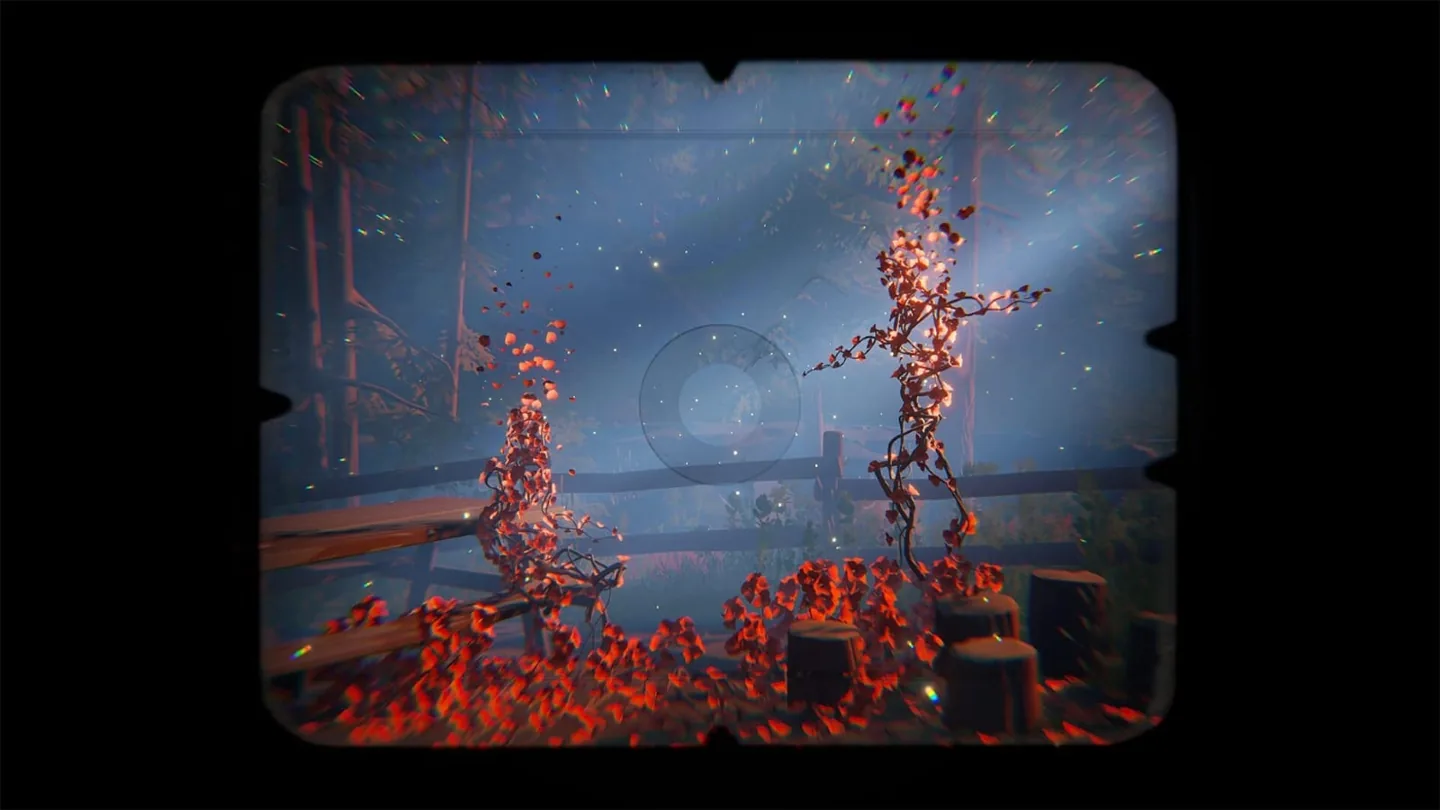
Petals lead to vignettes from Alfred and Audrey's past. Finding the relevant local fragments and photographing the resulting memory adds relationship context. The areas are compact, but searching their edges and details still takes longer than walking directly to the next required task.
If those memories are a priority, leave room to investigate a stop before completing the action that moves the story onward. You do not need a made-up number of minutes per vignette; the practical consequence is simply that careful searching increases your time compared with a story-only route.
The time can also vary according to how easily you recognise the local discovery. You may notice a petal naturally while inspecting a place, or revisit a section because you are uncertain whether the discovery is complete. This is another reason an exact all-collectibles duration would be misleading without stronger evidence.
A first run can comfortably prioritise the relationship without becoming a perfect-completion project. Follow the main story, pursue the petals you notice, and decide after finishing whether you want to replay for the remaining discoveries. That gives the first-session estimate a clearer scope.
Deliberate movement affects the feel of the runtime
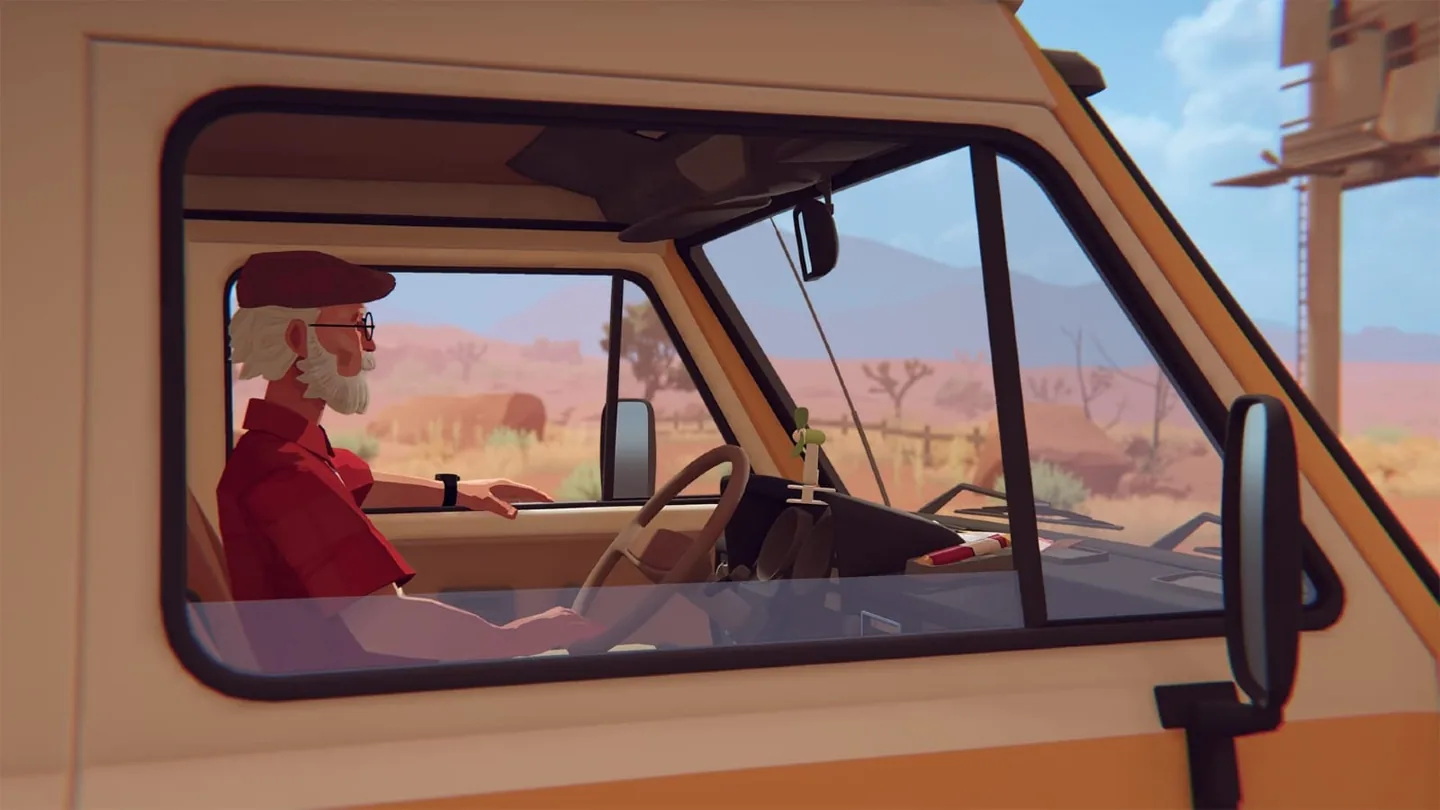
Forever Ago includes slow walking and traversal. Even within a brief campaign, a passage can take time to cross and a conversation can ask you to remain with it. The game's length and its pacing should therefore be assessed separately.
If you enjoy listening to characters and absorbing a setting, a four-hour story may feel like a complete evening. If you prefer fast movement and frequent mechanical changes, some of those same hours can feel extended. The clock alone does not answer whether the experience will suit you.
The main route also uses different forms of scene, including normal exploration, driving, photography, memories, and dreamlike passages. Those transitions provide variety, but they are not a promise that every slow section can be bypassed by a control you have not found.
Plan for the pace the game establishes early. There is little value in choosing a narrow time window and then trying to hurry through every conversation. The story's appeal depends partly on hearing and noticing the things that a fastest-route mindset would skip.
Choose a session plan around your available attention
A single evening is a reasonable option if you have the full planning allowance and want to keep the relationship's development fresh. The advantage is continuity: a changed place or a later memory can connect immediately with what you saw earlier.
Two or more sessions can suit a player who prefers shorter stretches of emotional material. The chapter structure and journal pauses help the trip break into understandable sections. You do not need to force the whole game into one sitting simply because it is short enough to make that possible.
Use this comparison to choose the kind of plan, without treating it as an exact timetable:
| Available time and preference | Practical approach |
|---|---|
| An evening with several uninterrupted hours | Begin with room for a complete story run |
| Shorter sessions and a reflective pace | Stop around completed destinations and stable transitions |
| A story-first approach | Follow objectives and take selected optional photos |
| A thorough exploratory approach | Allow extra time for objects, petals, and photo comparison |
| An achievement-focused approach | Keep replay time separate from the first-story estimate |
The emotional subject also affects attention. Grief, illness, and regret are central to the narrative, so a player may reasonably want a pause even with time remaining. That is a scheduling preference rather than evidence that the game needs a longer campaign.
Remember the checkpoint save structure
The game uses checkpoint saving rather than a freely available manual-save system. That matters if your session has a hard stopping time. A quiet moment or a scene transition is useful context, but do not assume every individual photograph or dialogue line is its own confirmed save point.
Before quitting, finish the active interaction and check the current menu or save feedback. An album placement, a cutscene, or a transition may still be underway. Allowing that action to finish reduces uncertainty about where you will resume.
This page does not assign a guaranteed time gap between checkpoints. The available evidence does not support a universal interval, and locations can differ. If you have only a few minutes before you must leave, beginning an unfamiliar section carries more uncertainty than continuing to a clear stable point in the one you are already playing.
The save structure can make a divided playthrough slightly less predictable, but it does not establish that the story must be finished in one sitting. Plan around completed scenes and the game's actual feedback rather than an invented manual-save command.
Keep replay and completionist time separate
Chapter selection becomes available after completing the story. It can support revisiting parts of the trip, which means your eventual total can be longer than the first-run estimate. Starting a new game can overwrite the current save, so inspect the replay option before resetting progress.
A chapter replay is not automatically a precise measure of achievement cleanup time. Some goals can depend on actions within a scene, and the behaviour of accumulated progress or journal choices needs verification. Do not assume a fixed additional hour will cover every remaining objective.
Likewise, a main-story completion time does not establish a hundred-percent duration. Finishing the ending and discovering every optional memory are different scopes. Do not estimate your completionist time by multiplying the chapter count; the optional objectives you still need will determine how much longer you play.
For a clear personal plan, separate the two stages: allow the reported short-story range for the first journey, then decide which specific discoveries or achievements you still want. Your additional time will depend on that actual list rather than a generic completion percentage.
Use the estimate without rushing the story
The useful answer is that Forever Ago fits into an evening or a small number of shorter sessions. Three to five hours is a practical first-run allowance, while the broader reported span of two to five hours shows that pace and exploration differ. Neither figure guarantees every optional objective is complete.
If you finish more slowly, first consider how you played: object inspection, petal searches, photography, pauses, and replay all change the total. If you finish quickly, that does not mean another player can expect the same time while exploring more thoroughly.
Choose the amount of attention you want to give the trip, leave room for checkpoint transitions, and keep optional cleanup outside the main-story promise. That produces a useful plan while preserving the game's deliberate rhythm.