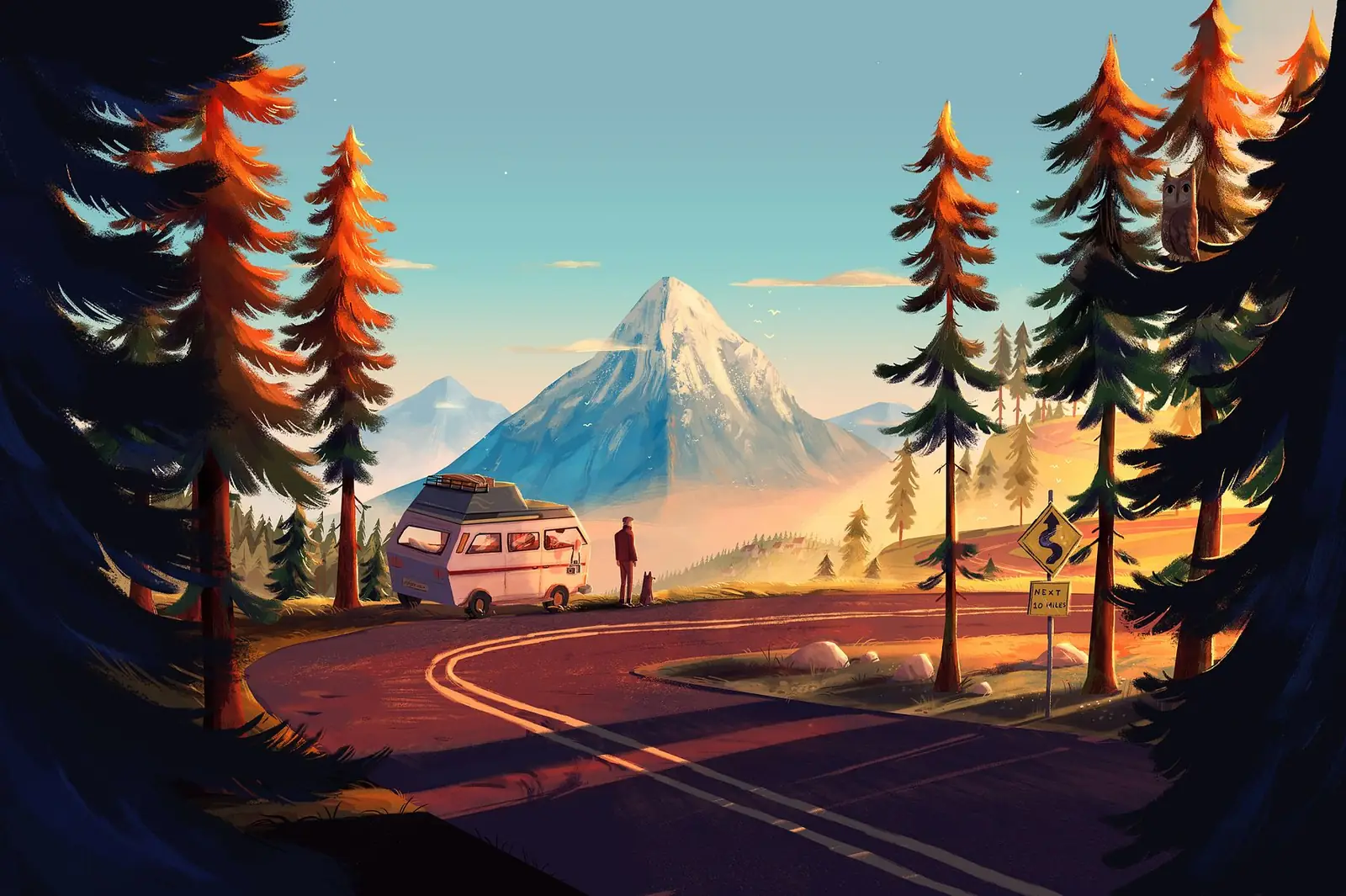
Forever Ago journal photos are pictures you choose to preserve during Alfred's road trip. At selection moments, you can keep up to four images in the journal. The album works alongside the written tasks, connecting the destination Alfred is visiting with the people, places, and details he chooses to remember.
The journal is not simply an achievement list or a folder for every screenshot. Its tasks direct the trip, while its photographs record the experience. There is no verified scoring formula for a single best selection, and this guide does not assume that choosing a particular landscape changes the ending.
Read the task page and photo page for different reasons
The journal gives Alfred practical direction at each stop. Its written content helps explain why he has come and what he is meant to do. Use that part to orient yourself before searching a location or trying to solve its immediate obstacle.
The photo selection serves a different purpose. When the game offers an album moment, you decide which of the available pictures belong in the record. A required story photograph and a picture you personally like can both matter, but they matter in different ways.
Keeping those roles distinct prevents a common misunderstanding. Filling the photo spaces is not a substitute for completing a written task, and completing a task does not necessarily leave you with a varied set of photographs. Both actions belong to the trip's rhythm without being identical measures of progress.
The journal also ties the journey to Audrey. The destinations and their associations were not chosen at random, so a page can carry context even before Alfred adds a new image. His photography then records how the present-day visit actually unfolded.
Learn the album through the opening photograph
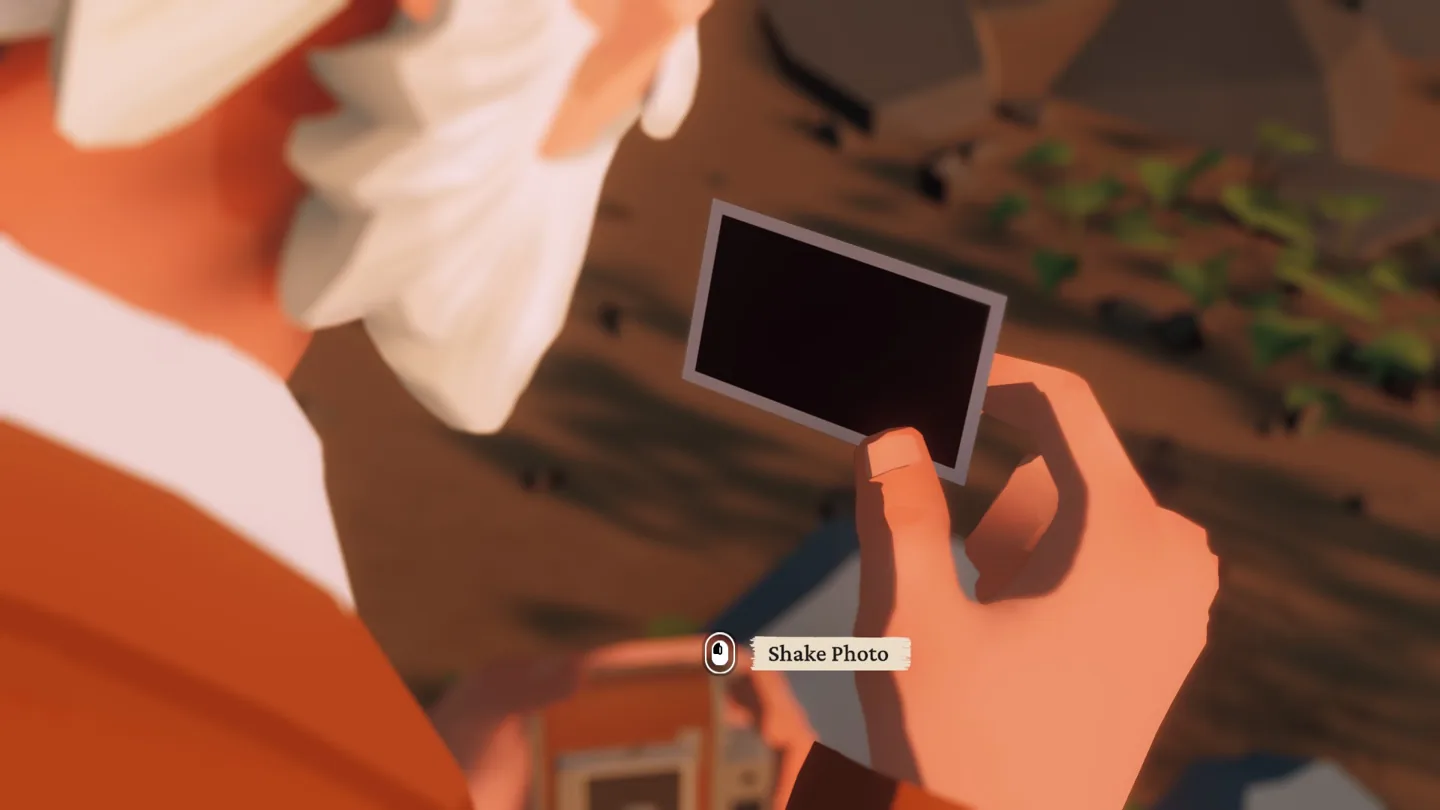
The opening introduces photography before the later road trip. Audrey uses the camera, Alfred becomes a subject, and the outdoor sequence eventually places the camera in his hands. The chapter ends with a picture that needs to be developed and put into the journal.
Shake the print when prompted so the image appears. Then open the journal and place the photograph inside. This is the clearest early example of a picture moving from a camera action into a physical record.
The sequence establishes that the shutter is not always the final step. If you have taken the picture but the opening has not finished, check the developing print and journal actions. Another photograph of the surroundings will not replace the placement the scene is waiting for.
The lesson should be applied carefully later. Perform the print or album action the current scene actually presents rather than assuming every picture in every chapter needs the identical opening routine. The game uses photography in memories and prompted scenes as well as in ordinary travel.
Take pictures before the selection moment arrives
Optional travel photographs give you choices when Alfred returns to the journal. If you have only taken the minimum pictures required by the scene, the available selection can feel less like a record of the stop and more like a record of its compulsory actions.
You do not need to photograph everything. Instead, notice subjects that distinguish the current destination: a person you met, a recognisable sign or view, and a detail associated with the place. This creates a useful range without turning the visit into a hunt for every possible exposure.
The important timing is to take those pictures while you are still exploring the stop. An album scene selects from what the trip has given you; it should not be assumed to reopen every earlier area for another shot. Finish the photographs you care about before completing the action that moves the story onward.
That advice is about planning your own album, not about a verified irreversible rule for every scene. The exact retention and replay behaviour should be checked in the current interface. The safe practical habit is to avoid postponing a picture you already know you want.
Choose up to four pictures with different jobs
A limited selection makes comparison useful. Four nearly identical views can preserve one beautiful moment, but different subjects can communicate more about the stop. Think about what each picture adds before placing it.
| Picture type | What it records | When it is useful |
|---|---|---|
| A person or companion | Who shared the present-day moment | A conversation or meeting mattered to the stop |
| A landmark or sign | Where Alfred was | The destination needs a recognisable setting |
| A small object or detail | What caught your attention | The place has a personal or distinctive association |
| A wide view | The atmosphere of the location | The landscape contributes to the memory of the visit |
These categories are suggestions for selection, not rules enforced by the game. You can prefer a quiet landscape to a portrait or keep several pictures of a companion. The journal is more useful when the choice reflects what you noticed than when you chase a nonexistent ideal arrangement.
Avoid treating every empty space as an instruction to take a filler shot. A meaningful selection can be smaller than the maximum, while a full page can still feel repetitive. The limit tells you how much you may keep; it does not prove that every available slot has a different hidden objective.
Use chapter-end pauses to compare the available images
The road trip returns to the album at specific pauses. An early campsite gives Alfred time to place travel pictures, and a diner booth provides another journal moment. These scenes create breathing space between exploration and the next part of the journey.
When the selection appears, look at the whole available set before choosing the first acceptable image. You may have a clearer portrait, a more recognisable view, or a detail that connects better with the conversation you just finished. Comparing them is part of deciding what the page should communicate.
Do not assume an unused picture is deleted permanently or retained indefinitely unless the interface makes that behaviour clear. The confirmed point is the limited selection for the journal. Questions about removing, replacing, or carrying every unselected photo need current-build evidence rather than a guess.
Once you have placed the chosen images, finish any remaining scene prompt. The album may be one part of a campsite or booth sequence rather than the entire objective. If progress pauses, check whether the scene also expects a conversation or another photograph.
Keep memory discoveries separate from the album choice
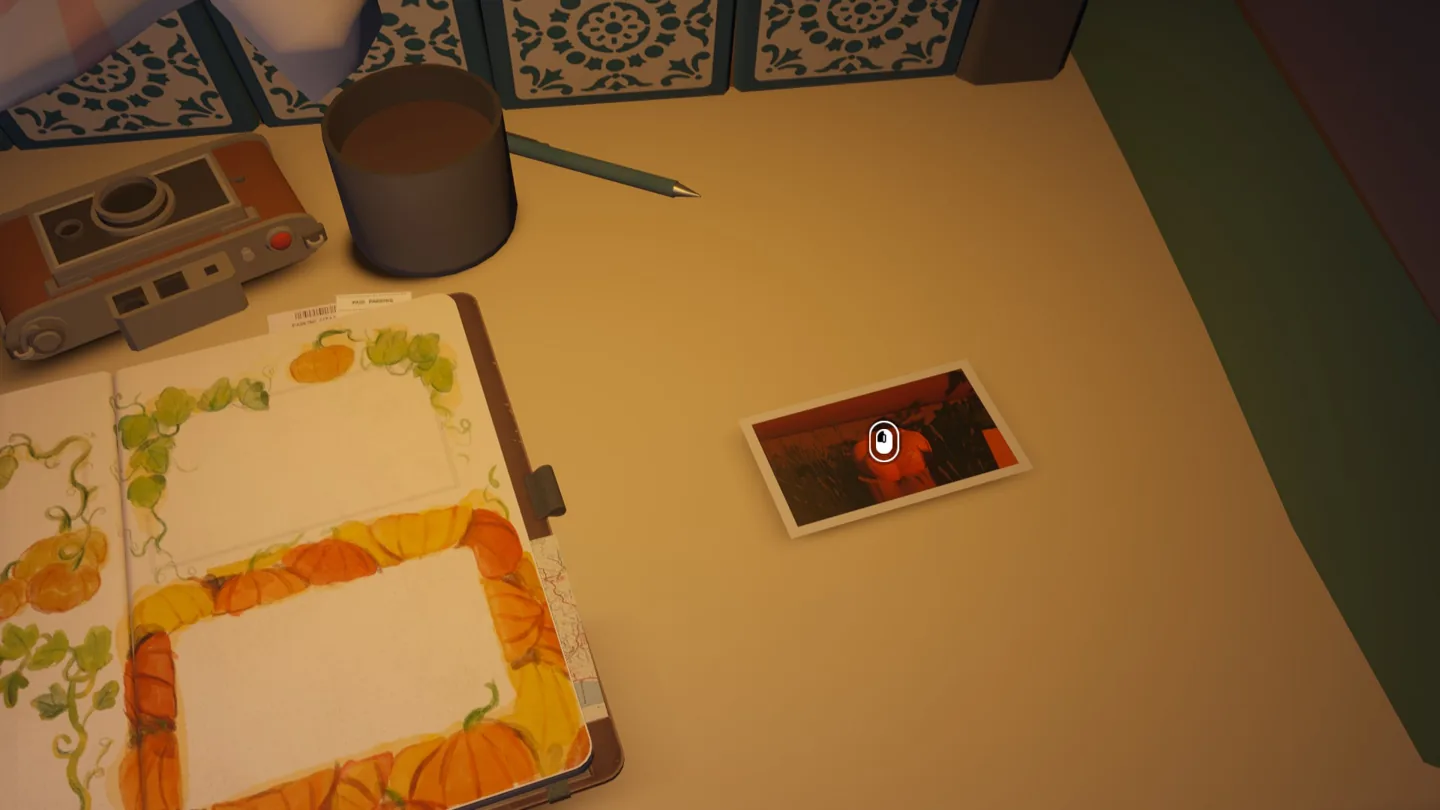
Optional petals reveal vignettes from Alfred and Audrey's past. Completing the relevant local discovery leads to a memory that you photograph. That is a discovery action, distinct from deciding which travel pictures to place in a journal page.
A vignette can enrich your understanding of a location even when you are currently interested in the album. The smaller relationship moments explain why an ordinary place or object might matter so much to Alfred. This gives your new travel images context, but it does not turn every journal space into a petal requirement.
Conversely, taking a landscape photograph does not replace completing a petal discovery. If you want the vignette, follow the local fragments and photograph the revealed memory. A beautiful picture of the same area is a different action.
Keeping the systems separate makes the trip easier to follow. Use the journal for its current task and photo selection, and use the petal discovery for the additional memory it reveals. You can pursue both without assuming that one automatically completes the other.
Photograph the present as well as the remembered place
Alfred revisits destinations associated with Audrey, but the people and surroundings have changed. The album can record that difference. A picture of a new acquaintance or an altered location belongs to the journey he is taking now, even if the reason for coming began in the past.
That is one reason portraits and companion photographs can be meaningful. They prevent the journal from containing only familiar landmarks. The road trip includes help and encounters Alfred could not arrange in advance, and photography gives those moments a place alongside older associations.
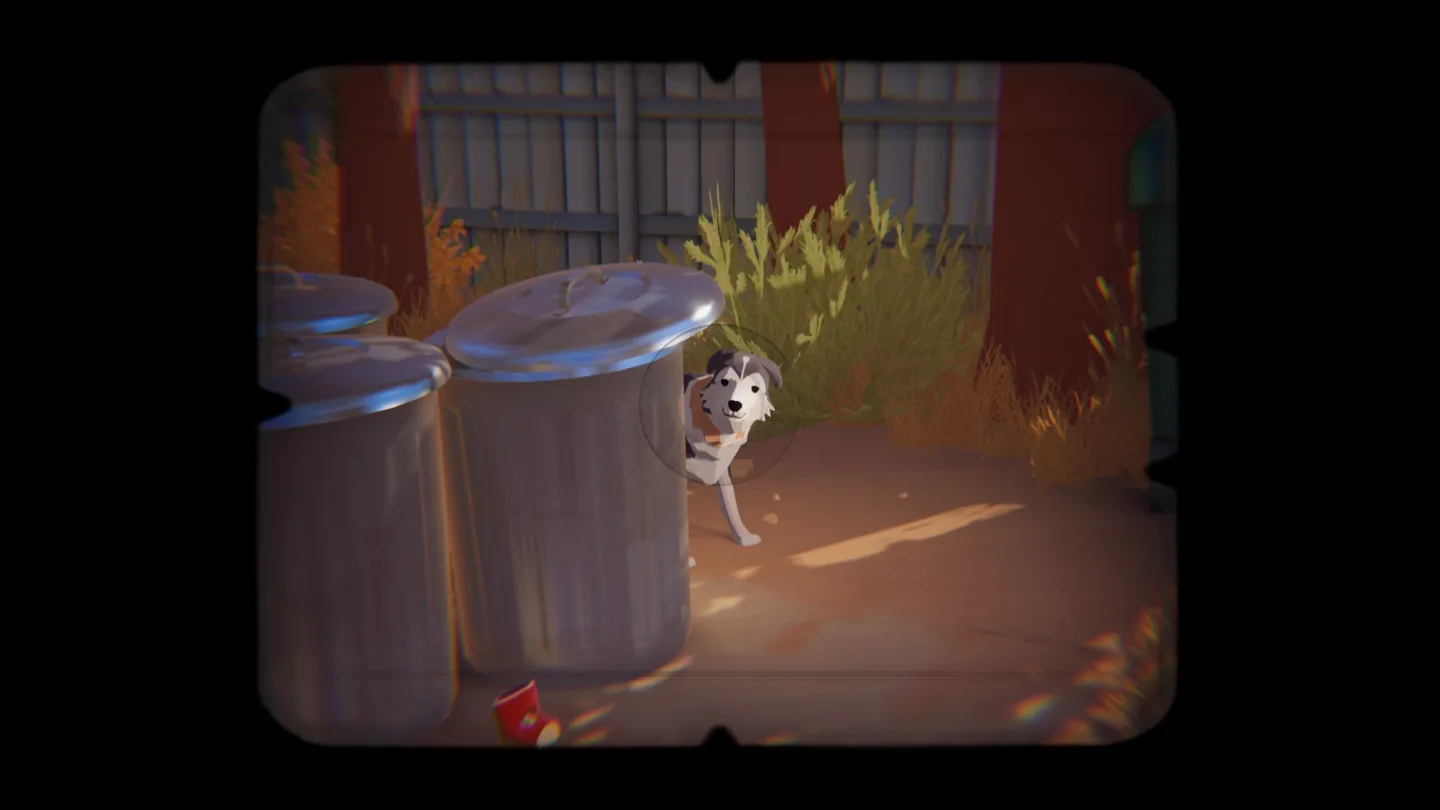
The dog also becomes part of the trip's visual record. A companion photograph can communicate an ordinary shared moment without needing the largest landscape or most dramatic story event. The album can hold small experiences as well as major stops.
This is a reading of the journal's role, not a gameplay instruction that one subject is mandatory for the ending. Choose the pictures you want to remember. The value comes from the relationship between the image and the experience, rather than a secret ranking of subjects.
Recover when a photo seems missing
Begin by separating an in-game camera photograph from an external screenshot. A system capture or a screenshot taken through your platform is not automatically a picture Alfred took, so it should not be expected to appear in the journal's selection.
Next, check whether you actually completed the scene's camera action. A requested print can still need development or placement. A memory photograph can lead into a vignette rather than behave like an ordinary optional travel picture. The kind of photograph affects what you should expect afterward.
If the album offers fewer choices than you hoped, do not invent a storage rule to explain it. Look at the current interface and the scene you have reached. The evidence supports a limited journal selection, but not every possible cause of a missing or unselected image.
For future stops, use a straightforward habit: take deliberate travel pictures while exploring, finish required photographs when prompted, and inspect the selection when it appears. That improves your options without risking a reset of the whole story just to fill an early page.
Preserve the journal when considering a replay
A completed journey gives access to chapter selection, while starting a new game can overwrite the existing save. If you want to revisit a scene, first inspect the replay option rather than immediately choosing a fresh beginning.
Do not assume that a replayed photograph merges into every existing journal page. The interaction between chapter replay and stored album choices requires verification. Keep the current record intact until you understand what the game's interface will do.
The journal's purpose remains simple throughout: it gives the trip direction and holds selected pictures of what happened along the way. Approach each page with the tasks understood, a few distinct photographs available, and enough attention to choose what you want Alfred's record to retain.